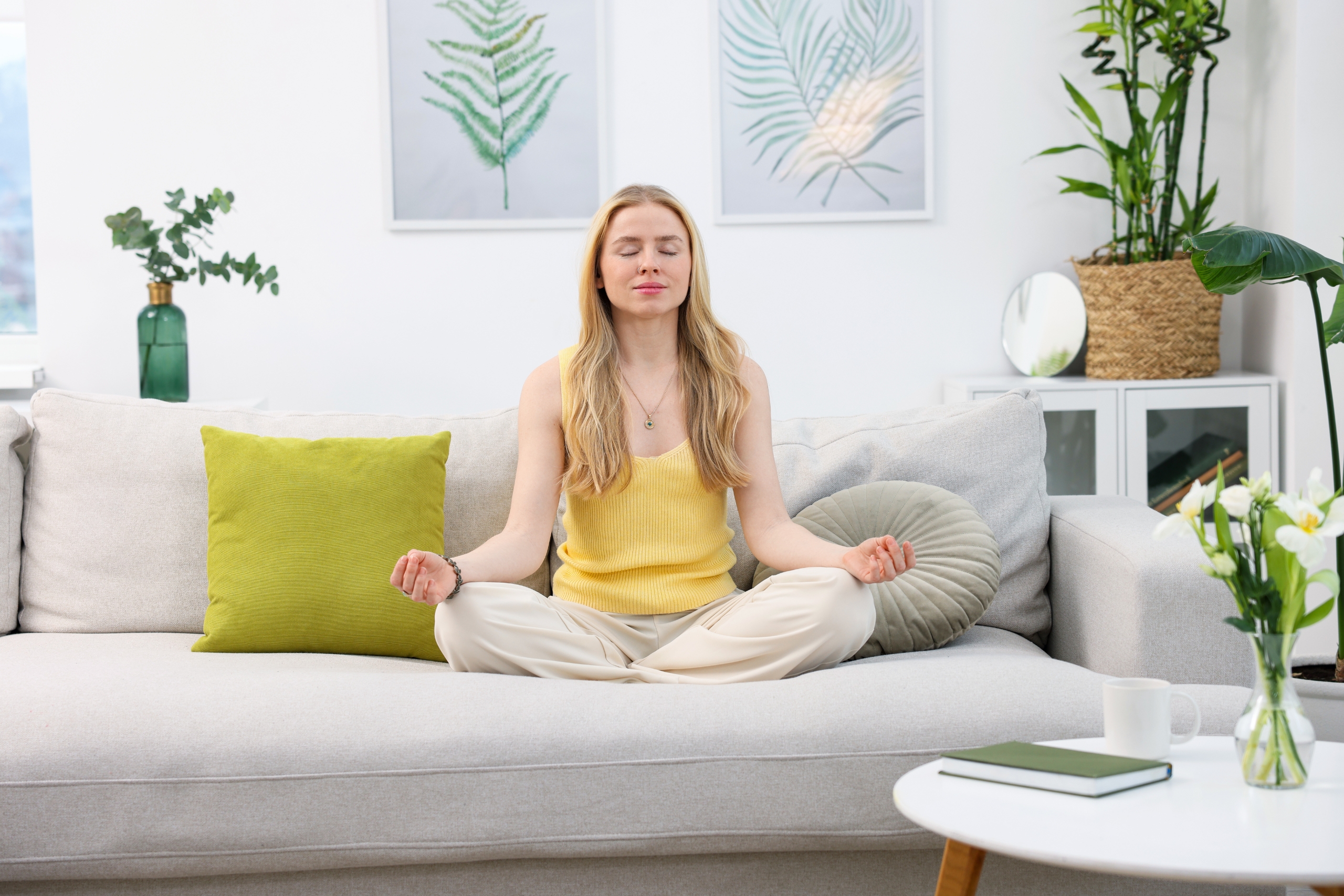
Many homeowners are looking for ways to create a peaceful, balanced, and visually appealing living space. Feng Shui, an ancient design philosophy, focuses on arranging your home to promote harmony, comfort, and positive energy. While some people follow it strictly, others simply use its principles as a guide for better home design.
The challenge for many is applying Feng Shui without sacrificing modern aesthetics. A home can feel balanced and calming while still looking stylish and well-designed.
By understanding key Feng Shui concepts and combining them with practical design choices, you can create a home that is both beautiful and comfortable.
What Is Feng Shui in Home Design
Feng Shui is a design approach that focuses on the arrangement of space to create balance and harmony. It emphasizes how furniture placement, colors, and layout can influence the overall feel of a home.
The goal is to create a smooth and comfortable flow throughout your living space.
Many homeowners explore feng shui home design tips to improve both comfort and visual appeal.
Importance of Balance and Flow
One of the core ideas in Feng Shui is maintaining balance and proper flow within a home. Spaces should feel open, organized, and easy to move through.
Avoid cluttered layouts that block movement or create discomfort.
A well-balanced home feels more relaxing and welcoming.
Decluttering for a Clean and Calm Space
Decluttering is one of the simplest ways to apply Feng Shui principles. Removing unnecessary items helps create a cleaner and more organized environment.
A clutter-free space allows for better movement and a more peaceful atmosphere.
Regular cleaning and organization help maintain this balance over time.
Choosing the Right Colors
Colors play an important role in creating a calm and harmonious space. Soft and neutral tones often create a relaxing environment, while brighter colors can be used as accents.
Choosing a consistent color palette helps maintain a cohesive look.
For those exploring feng shui interior design, color selection is a key element in achieving balance.
Furniture Placement for Better Energy Flow
Proper furniture placement helps improve the flow of movement within your home. Arrange furniture in a way that allows easy navigation and avoids blocking pathways.
Positioning key pieces thoughtfully can create a sense of stability and comfort.
Balanced layouts make rooms feel more functional and inviting.
Maximizing Natural Light and Air
Natural light and fresh air contribute to a healthier and more comfortable living space.
Keeping windows open when possible and allowing sunlight to enter can improve the overall atmosphere.
Bright and well-ventilated spaces feel more open and welcoming.
Incorporating Natural Elements
Adding natural elements such as plants, wood, or water features can enhance the look and feel of your home.
These elements bring a sense of freshness and connection to nature.
They also help create a more relaxing and visually appealing environment.
Maintaining Aesthetic Appeal
Applying Feng Shui does not mean sacrificing style. You can still follow modern design trends while maintaining balance and harmony.
Choose decor that complements your space and reflects your personal taste.
Combining functionality with style ensures that your home remains both beautiful and practical.
Creating Functional and Comfortable Spaces
Each area of your home should serve a clear purpose. Functional spaces improve comfort and make daily activities easier.
Well-designed rooms contribute to a more organized and enjoyable living environment.
Balancing function and design is key to maintaining harmony.
Simple Daily Habits to Maintain Balance
Maintaining a balanced home requires consistent effort. Simple habits such as keeping spaces clean, organizing items, and allowing fresh air to circulate can make a big difference.
Small changes over time help preserve both comfort and aesthetics.
For those exploring feng shui home design tips, consistency is essential for long-term results.
Conclusion
Applying Feng Shui principles in your home can help create a balanced, comfortable, and visually appealing environment. By focusing on decluttering, proper furniture placement, natural light, and thoughtful design choices, you can achieve harmony without sacrificing style. Maintaining both functionality and aesthetics ensures that your home remains a pleasant place to live. With simple adjustments and consistent habits, it is possible to enjoy a space that feels both peaceful and beautifully designed.